Good Answers Come From Good Questions
30 Jan 2025In software engineering, the art of posing questions effectively is paramount. Eric Raymond’s essay, “How To Ask Questions The Smart Way,” highlights the significance of well-crafted questions in eliciting valuable answers. A comparative analysis of questions on platforms like Stack Overflow reveals the tangible benefits of adhering to these principles.
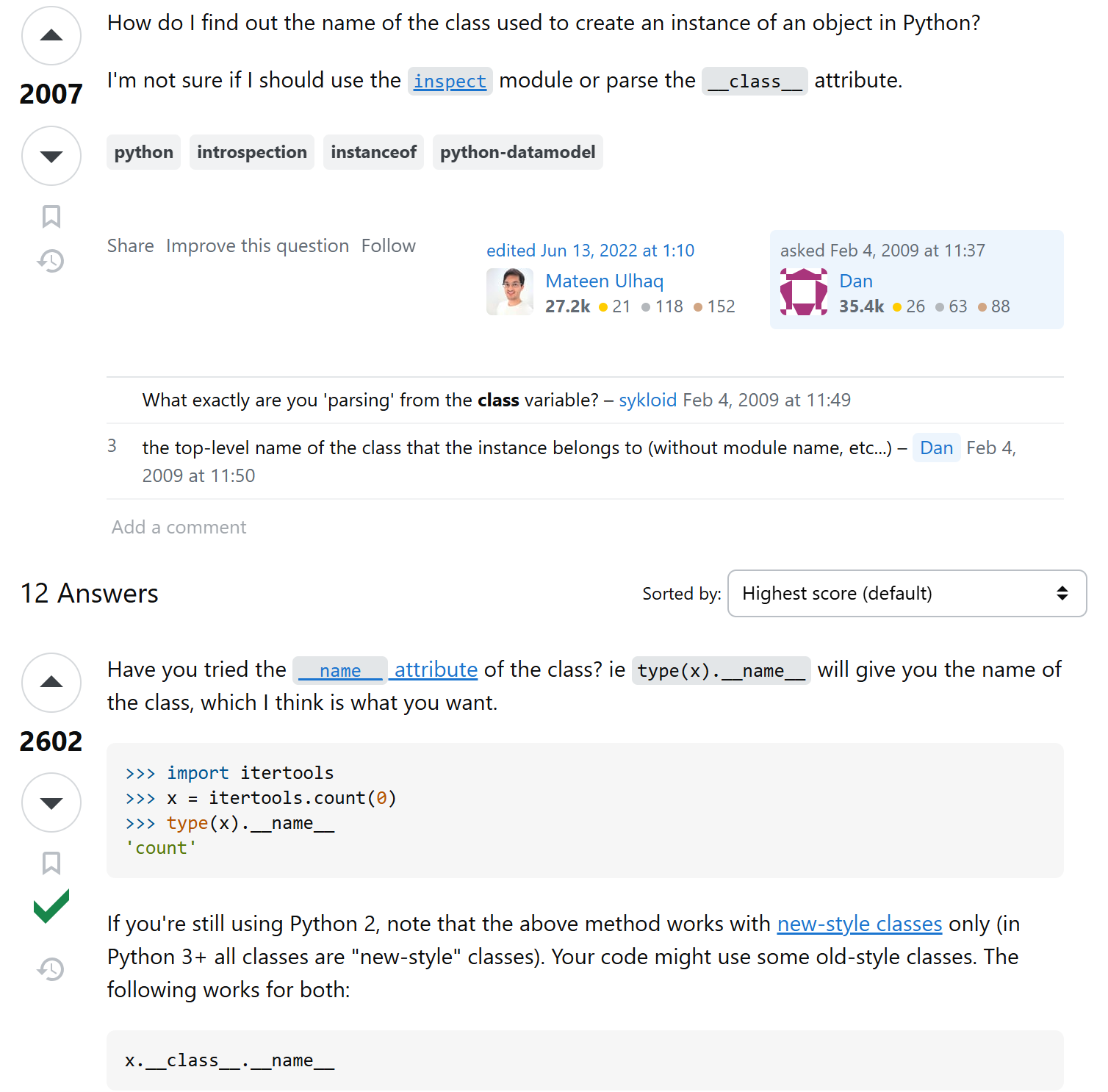
Example of the “Smart Way”
Consider the Stack Overflow question titled “Getting the class name of an instance” . The user succinctly asks how to determine the class name of an object in Python and contemplates using the inspect module or the __class__ attribute. This question is clear, specific, and demonstrates prior research, aligning with Raymond’s guidelines. Consequently, it garnered a precise answer: utilizing type(x).__name__ to retrieve the class name. The clarity and focus of the question facilitated an efficient and effective response.
Example of the “Not So Smart Way”
In contrast, vague questions often lead to poor results. For example, a user might ask, “Why doesn’t my code work?” without including the code, error messages, or expected behavior. This lack of detail makes it hard for others to help and goes against Raymond’s principles. As a result, most responses just ask for clarification, causing delays and frustration for everyone involved.
What Does This Mean?
This comparison displays the importance of crafting well-thought questions in software engineering. Clear, specific, well-researched inquiries not only respect the time of potential responders but also increase the likelihood of receiving accurate and timely solutions. Embracing these practices fosters a more efficient and collaborative problem-solving environment within the developer community.
- ChatGPT used for grammar.